
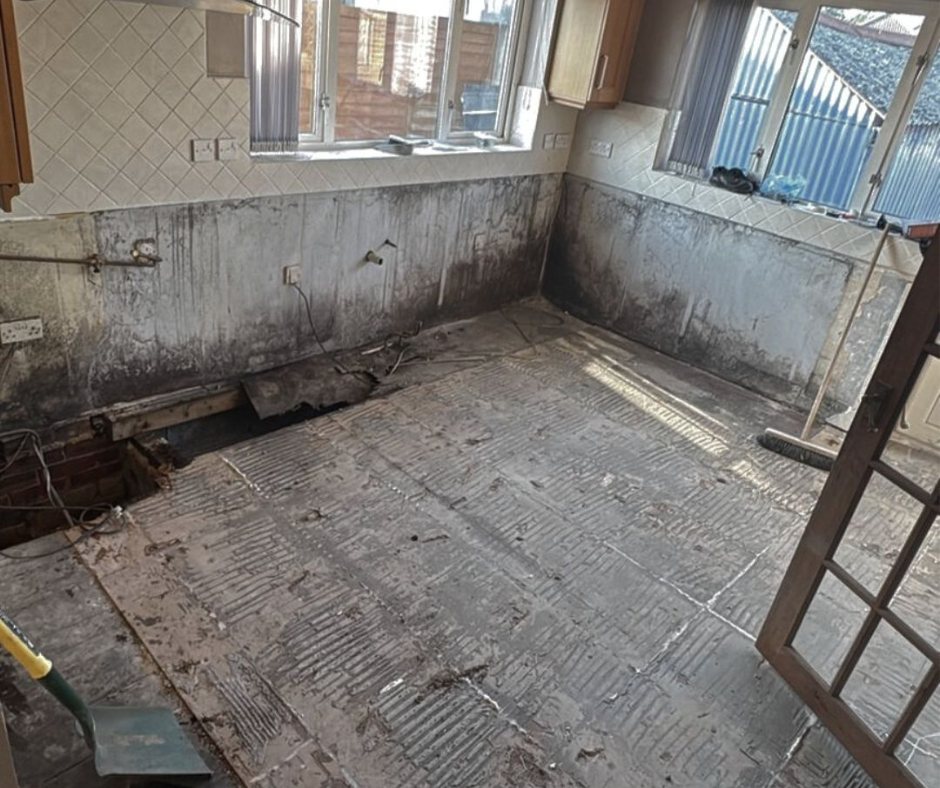
Timber Treatment in Christchurch
Where damp has already reached the structure. Surveyed and carried out by our own Dorset-based teams, with a written report and a 25-year insured workmanship guarantee.
Covering Dorset · Hampshire · Wiltshire
Book a Christchurch survey
1/3Takes under a minute. A qualified surveyor attends — never a salesperson.
No obligation, no sales visit. Your details are used only to arrange the survey.
Timber Treatment written for Christchurch building stock
The historic core holds pre-1850 brick and cob with lime finishes and low floor levels. Purewell, Jumpers and Somerford are largely inter-war and post-war brick. Highcliffe includes substantial 1930s and 1960s detached stock with severe cliff-edge exposure.
Damp that has been present long enough stops being a decorating problem and becomes a structural one. Joist ends bearing into wet walls, bressummers over bay windows, cellar head timbers and suspended ground floors are the places we find serious decay most often.
Local faults that lead to this work
- 01
River-valley ground water
Low ground floors near the Avon and Stour stay wet at the base for months of the year regardless of weather.
- 02
Cob and lime repaired in cement
Older properties near the Priory have frequently been rendered in cement, which traps the moisture inside.
- 03
Cliff-top driven rain at Highcliffe
Unsheltered elevations saturate repeatedly, and any render crack becomes an internal damp patch.
- 04
Post-flood residual moisture
Properties affected by past surface flooding often retain moisture in screeds and low masonry that was never properly dried.
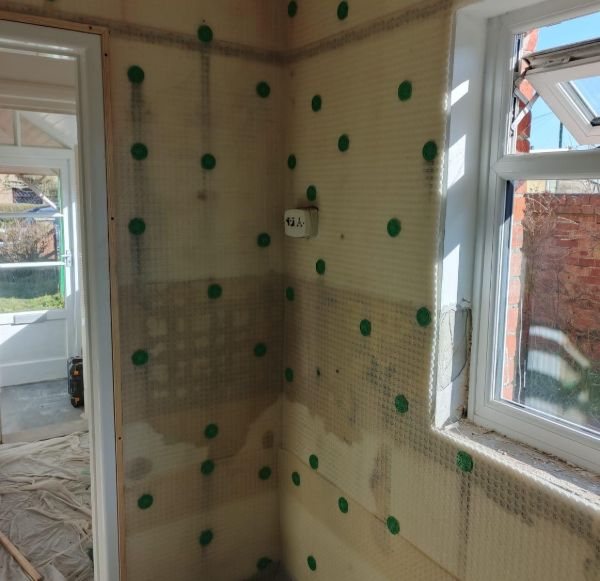
Scope of timber treatment works
Your quotation lists only what your property actually needs.
- Structural timber inspection and probing
- Joist end, bearer and plate replacement
- Fungicidal and insecticidal treatments
- Sub-floor ventilation and airbrick reinstatement
- Concrete and steel structural support where required
- Floor relaying and reinstatement
Timber Treatment in Christchurch — answered
More urgent than wet rot. Dry rot can travel through masonry and behind plaster to find new timber, so a small visible outbreak may already have colonised joists in the next room. It should be investigated promptly.
No. We lift enough boards to establish extent and reach the affected members, and we relay them. Full relaying is only specified where the decking itself has gone.
Not always. Where the moisture source is removed and the decay is wet rot, replacement plus drying may be sufficient. Dry rot and active woodworm normally do require treatment.
Free timber treatment survey in Christchurch
A qualified surveyor attends, tests properly and writes it down. No obligation, no sales visit, no charge.
Dorset · Hampshire · Wiltshire