The legal framework
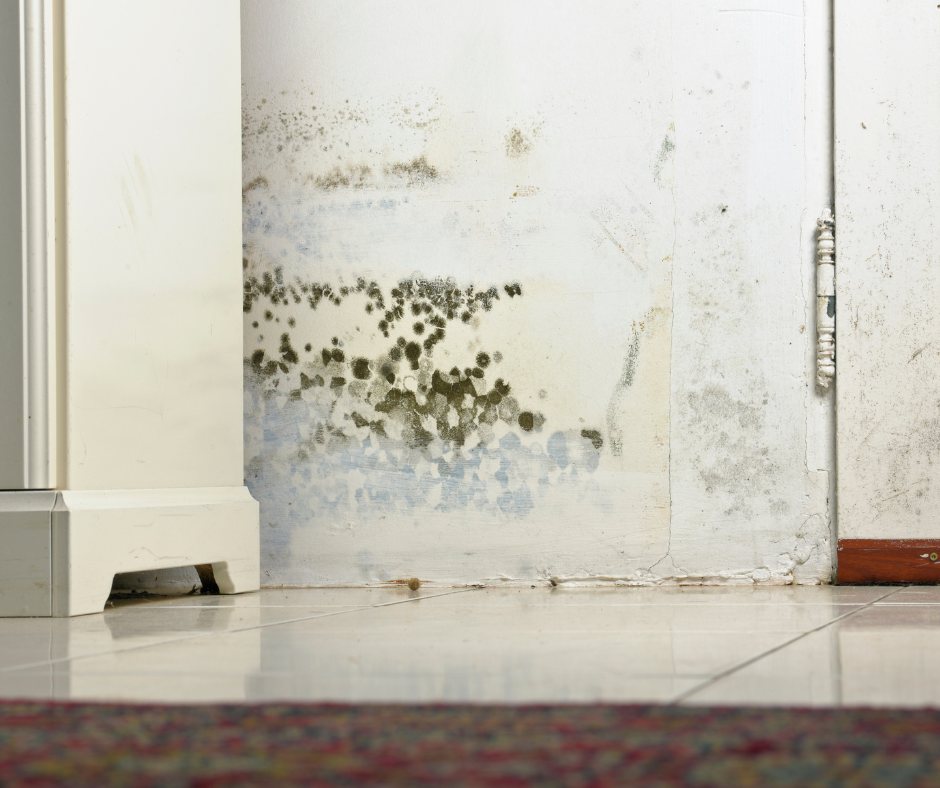
Section 11 of the Landlord and Tenant Act 1985 requires landlords to keep the structure and exterior in repair. The Homes (Fitness for Human Habitation) Act 2018 requires the property to be free from serious hazards, and damp and mould growth are Category 1 hazards under the housing health and safety rating system.
Awaab’s Law, introduced following the death of Awaab Ishak, adds defined timescales for social landlords to investigate and act on reported damp and mould hazards, with written findings provided to the tenant.
What triggers your duty
Notice. Once a tenant reports damp or mould in writing, the clock starts. A verbal report to a contractor, a photograph in a message, or a complaint to a managing agent all count as notice in practice.
Vulnerability raises priority. Where an infant, an older resident or someone with a respiratory condition occupies the affected room, response should be faster and more thorough.
The fabric versus occupancy question
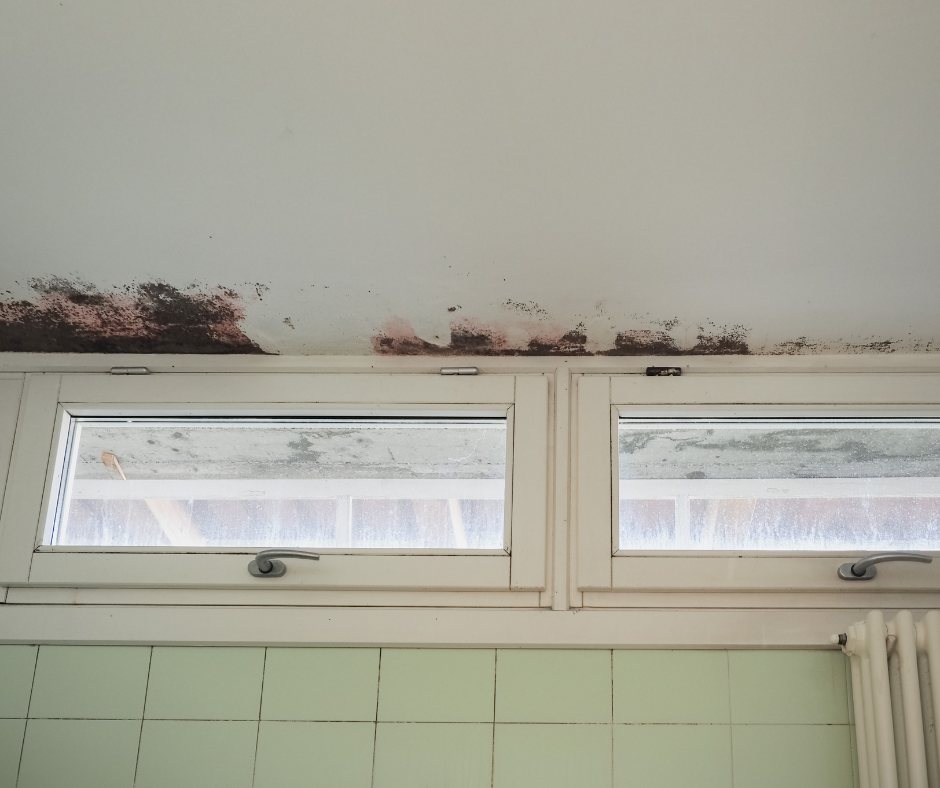
Occupancy adds moisture — drying washing indoors, cooking without extraction, keeping heating low. But a property still has to be capable of removing the moisture normal occupation produces. If extract fans are undersized or absent, or if walls have significant cold bridging, the building is contributing regardless of behaviour.
This is where an independent measured survey settles matters. Dew-point analysis, logged humidity data and measured extract airflow produce a defensible split between what the building is doing and what occupancy is doing.
- Measured extract airflow against required rates
- Surface temperature versus room dew point
- Logged humidity data over a representative period
- External inspection for ingress and bridging
- Written apportionment of causes
What good practice looks like
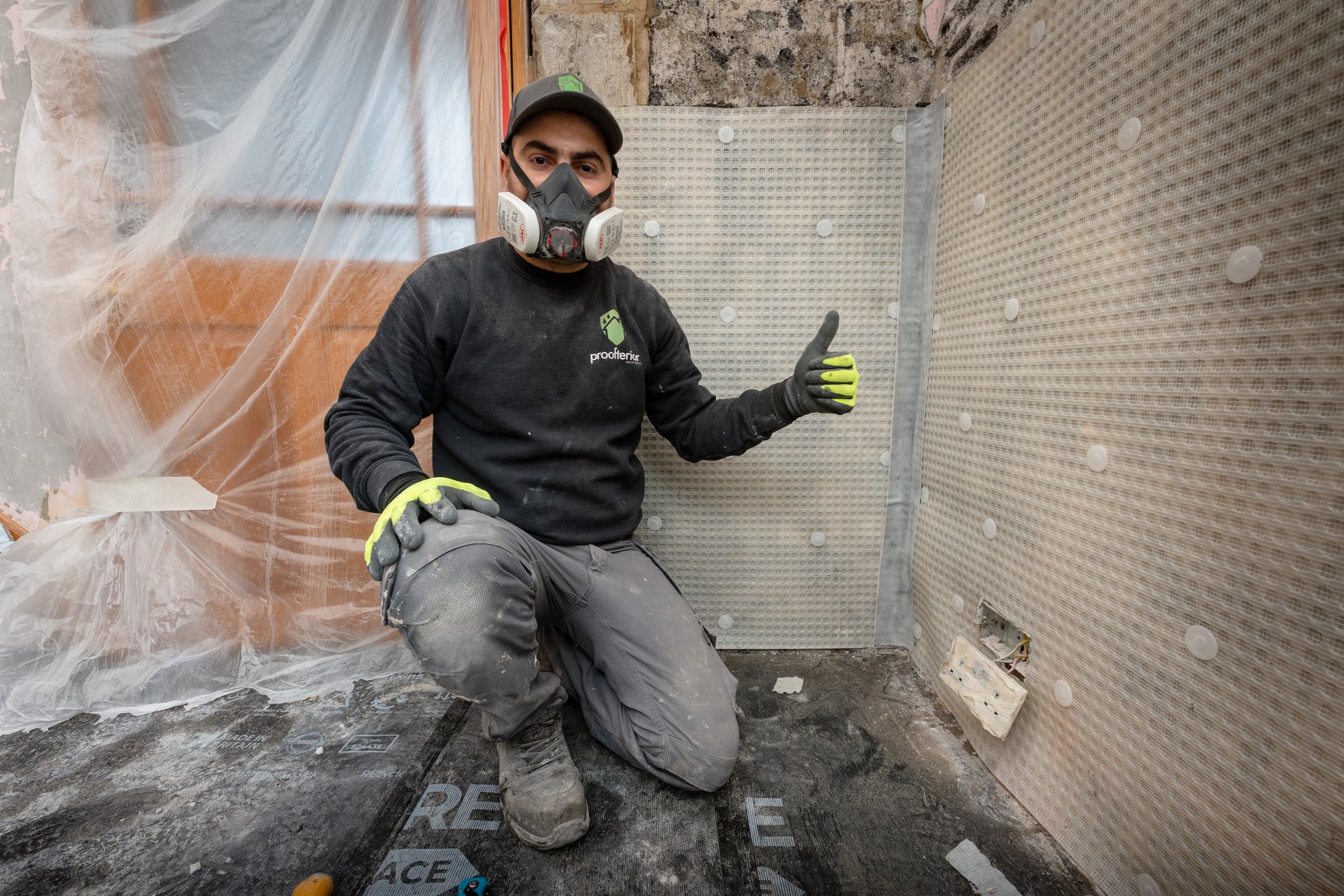
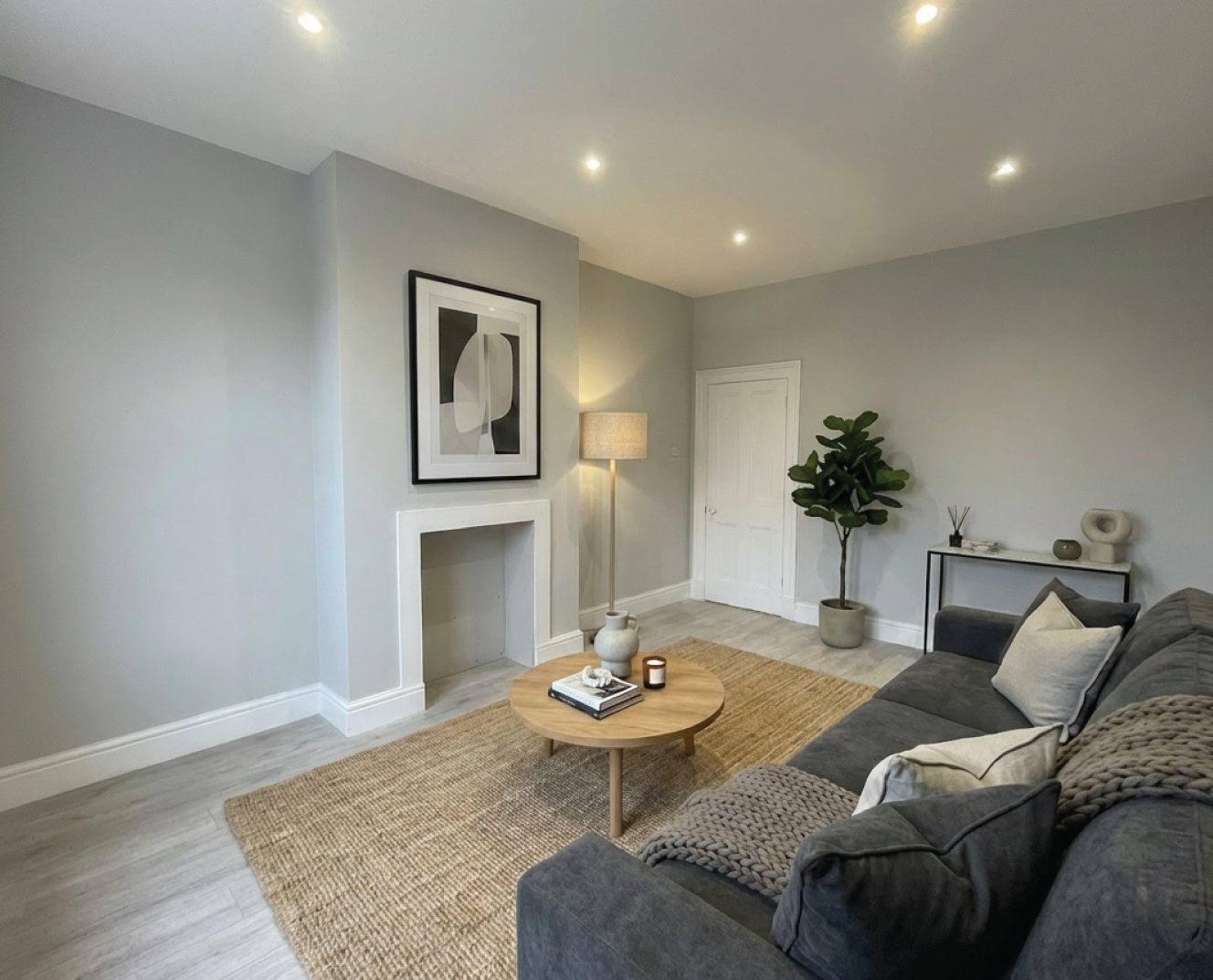
Acknowledge in writing and record the date. Inspect promptly with someone competent to diagnose, not just to clean. Remediate the growth properly — contained removal and substrate treatment, not a wipe-down. Correct the cause, whether that is ventilation, insulation or a defect in the fabric. Give the tenant the findings in writing and diarise a follow-up.
How we work with landlords and agents
We survey and report independently, which means our conclusions are usable by either party. Where the finding is occupancy driven we say so, with data. Where the finding is fabric driven we say that too, with a specification and a fixed price.
For portfolios we carry out programmed inspections, and we can log conditions over time where a property has a recurring complaint history.