What has actually happened
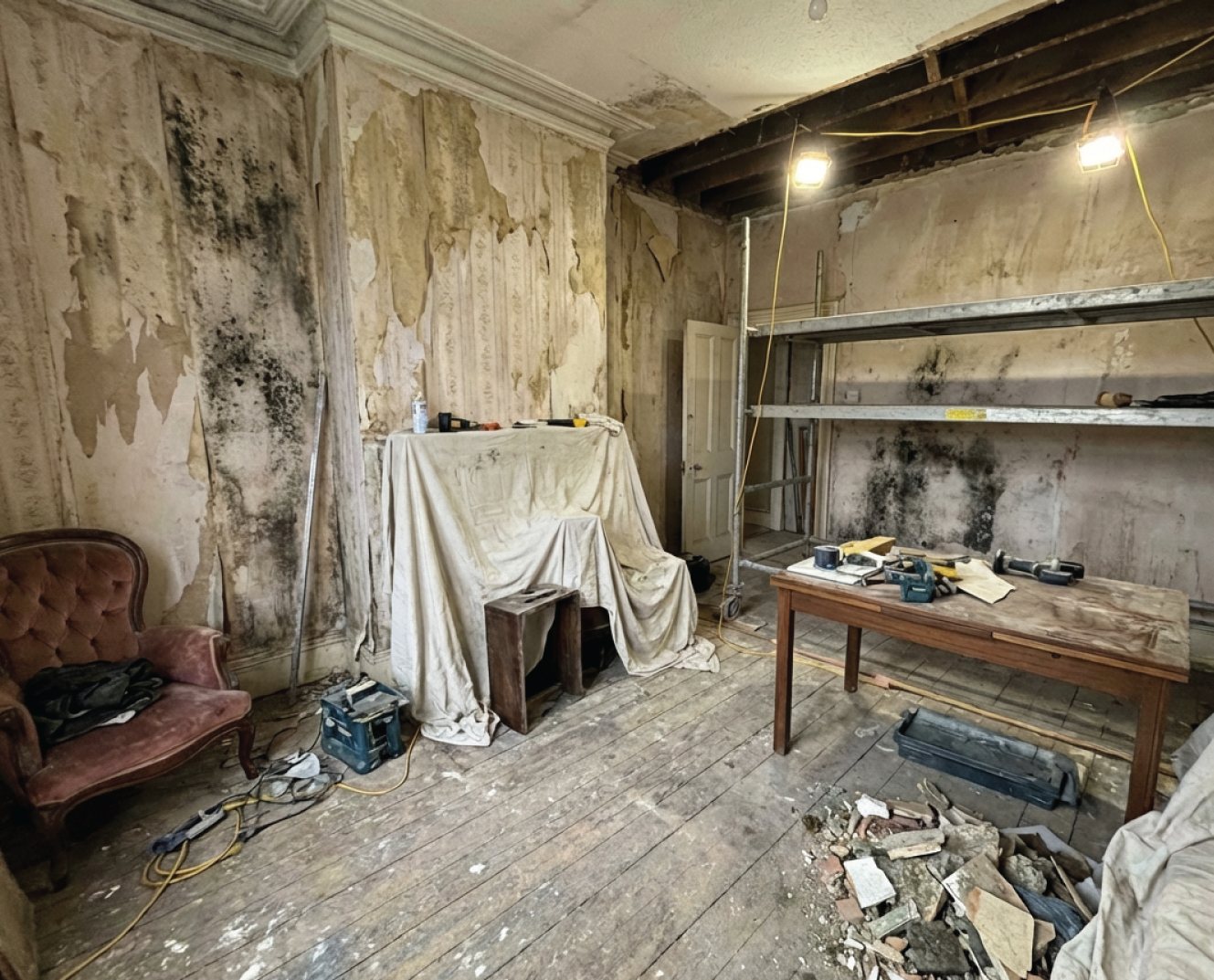
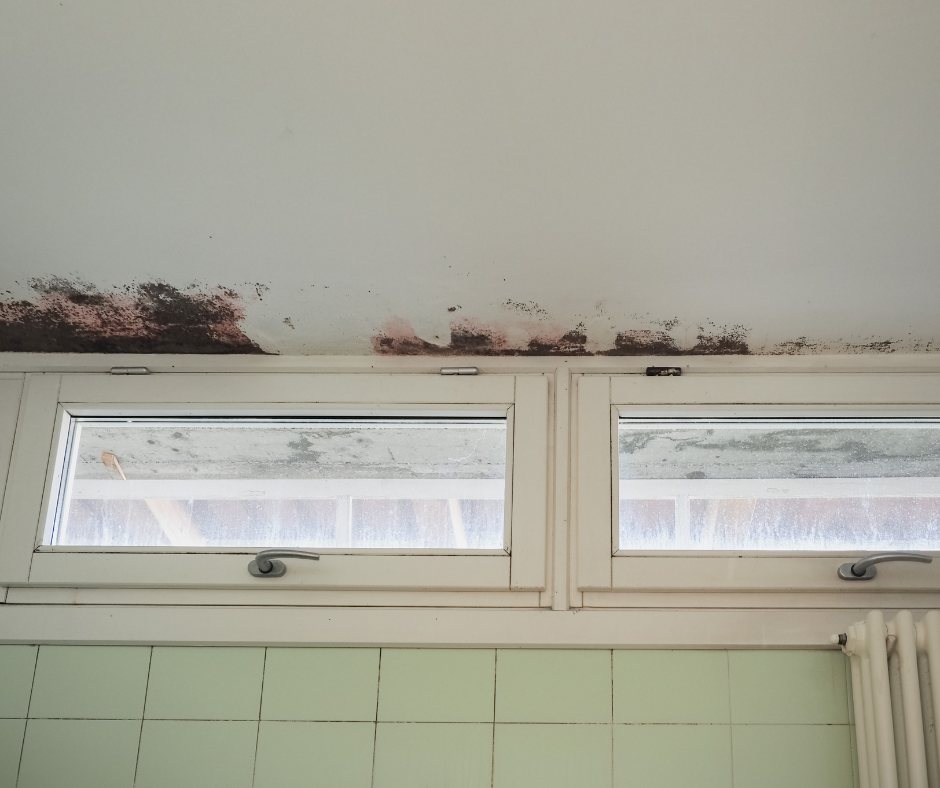
The valuer has seen evidence of damp, has no specialist basis on which to price the remedy, and has recommended the lender holds back a sum until a specialist report is provided. The retention figure is a placeholder, not an estimate of the works.
You still have an offer. What is missing is a document that tells the lender what the defect is and what it costs to correct.
What the lender needs
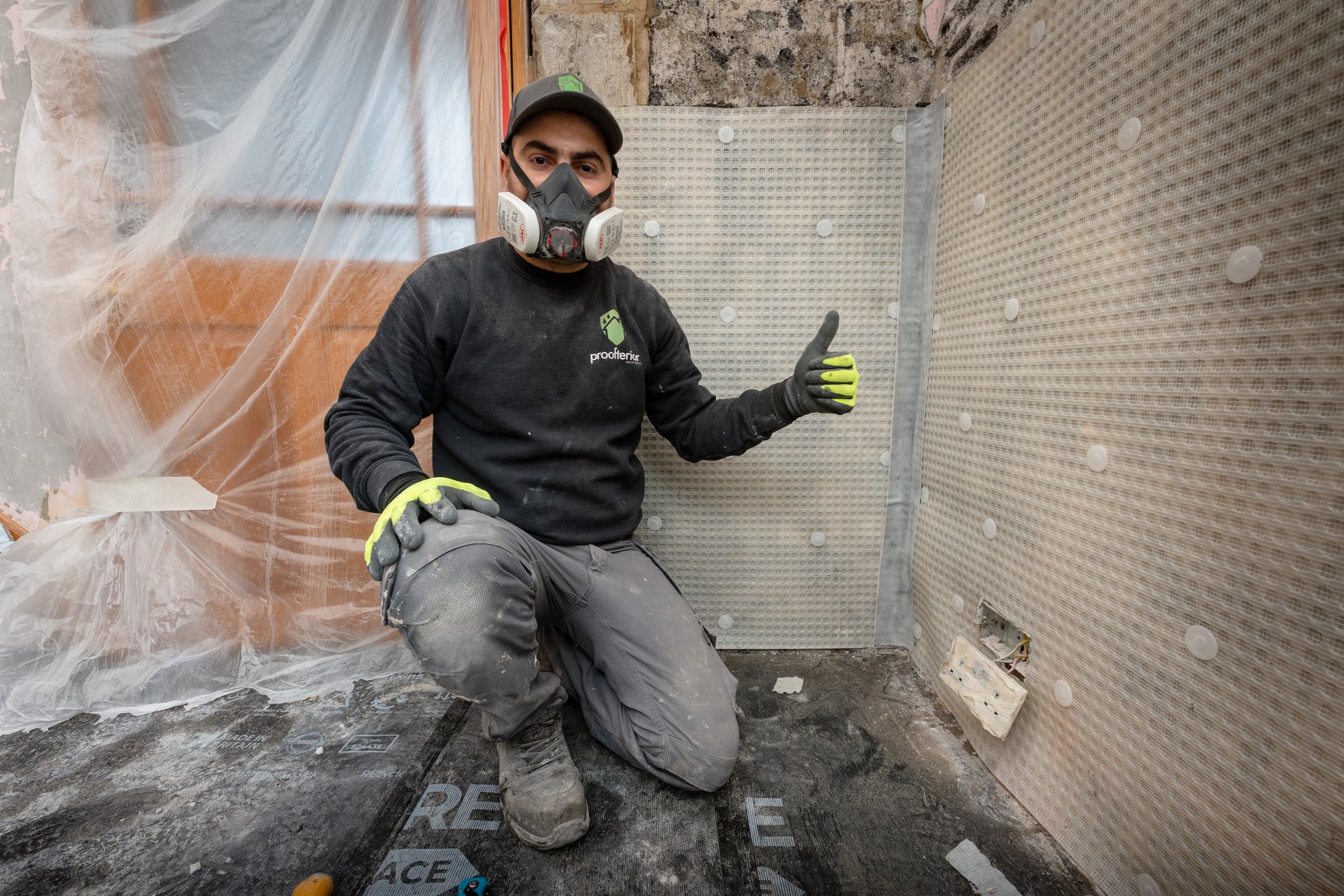
A report from a suitably qualified specialist that identifies the cause, sets out the remedial specification, and gives a firm price. Where works are to be carried out, the lender will usually want confirmation of a long-term guarantee.
- Named cause, supported by readings
- Written remedial specification
- Fixed price for the works
- Confirmation of a long-term guarantee
- Photographic evidence of the affected areas
Who pays for the works
That is a negotiation, and the report is your leverage. Once there is a specification and a fixed price, the conversation moves from an open-ended worry to a defined number that can be deducted from the purchase price, completed by the vendor before exchange, or funded by you after completion.
Do not delay the survey
The single most common cause of a purchase falling through over damp is time. Book the specialist inspection as soon as the retention is raised. We can normally attend within a few working days across Dorset, Hampshire and Wiltshire, with the report following shortly after.
If the retention is wrong
It happens regularly. Valuers work quickly and cautiously, and a salt-stained wall from a defect repaired years ago looks identical to an active one. Where our readings show no active moisture, the report says so — and that is what releases the retention without any works at all.