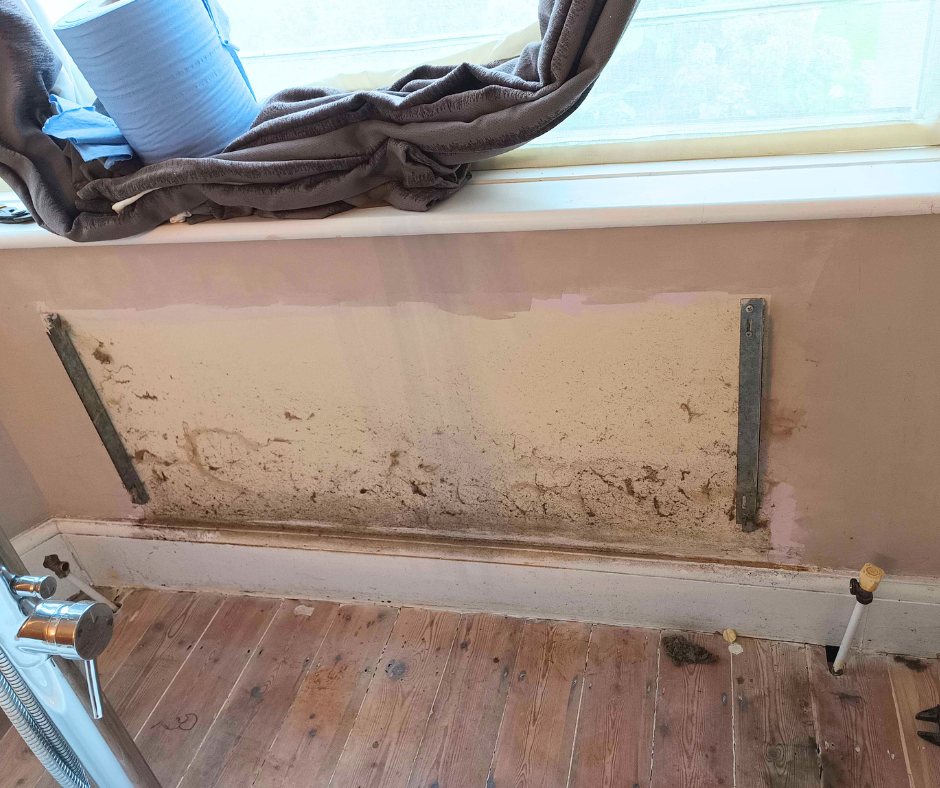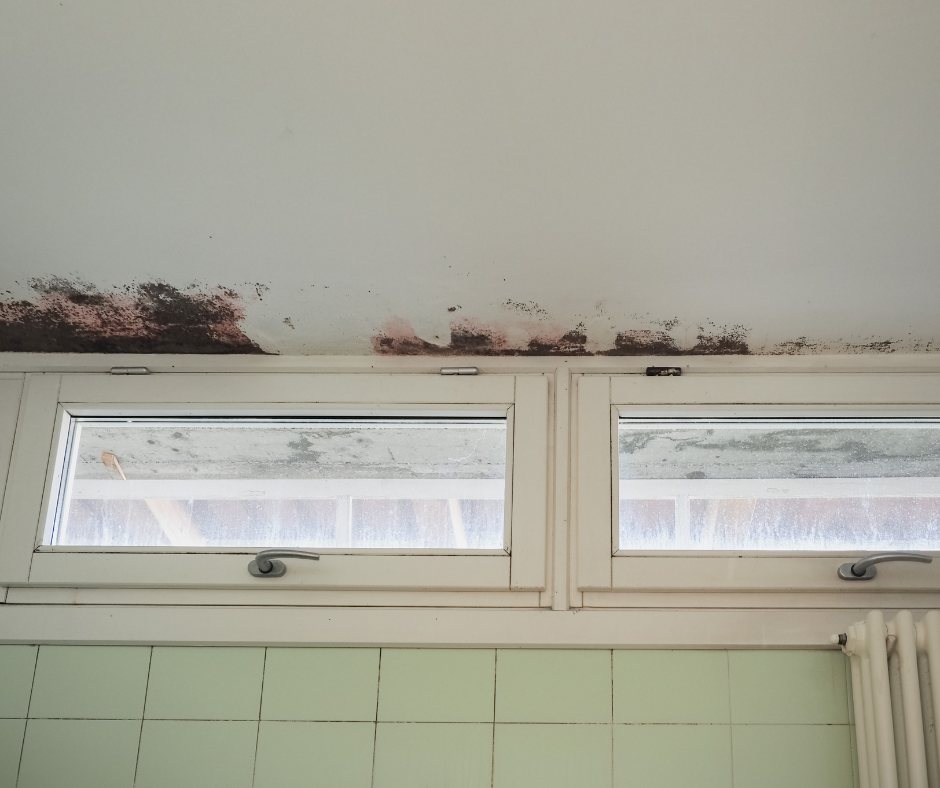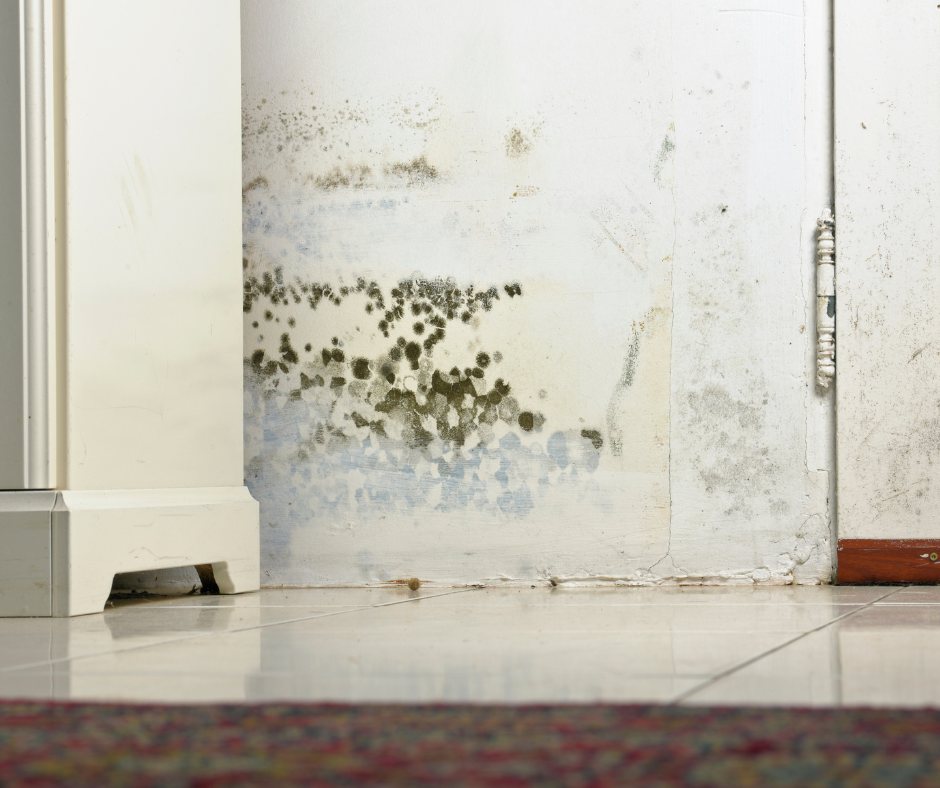
What is growing on the wall
The dark growth on a cold bedroom wall is usually Cladosporium or Aspergillus, both extremely common in the environment. In fabric that has been persistently wet — after a leak or flood — Stachybotrys chartarum can establish, which is the species most often referred to as toxic black mould.
All of them release spores and volatile organic compounds into room air. That is the exposure route that matters in housing: airborne, continuous, and highest in the room where the growth is.
Who is actually at risk
For a healthy adult, sustained exposure most commonly produces irritation — cough, blocked nose, sore eyes, headaches. It is unpleasant rather than dangerous.
The risk is materially higher for infants and young children, older people, anyone with asthma or another chronic respiratory condition, and anyone immunosuppressed. Current housing guidance is explicit that occupant vulnerability should drive how urgently mould is dealt with, not just how large the patch is.
- Infants and children — developing airways and more time in the affected room
- Asthma and COPD sufferers — spores are a recognised trigger
- Older occupants — reduced respiratory reserve
- Immunosuppressed occupants — risk of invasive infection from Aspergillus
What to do first
If a vulnerable person sleeps in the affected room, change that first while the cause is being resolved. It is the fastest reduction in exposure available to you and it costs nothing.
Do not dry-brush or sand mould growth — it aerosolises spores. Do not simply bleach it either: bleach removes colour and adds water while leaving the colony and the underlying moisture in place.
What proper remediation looks like
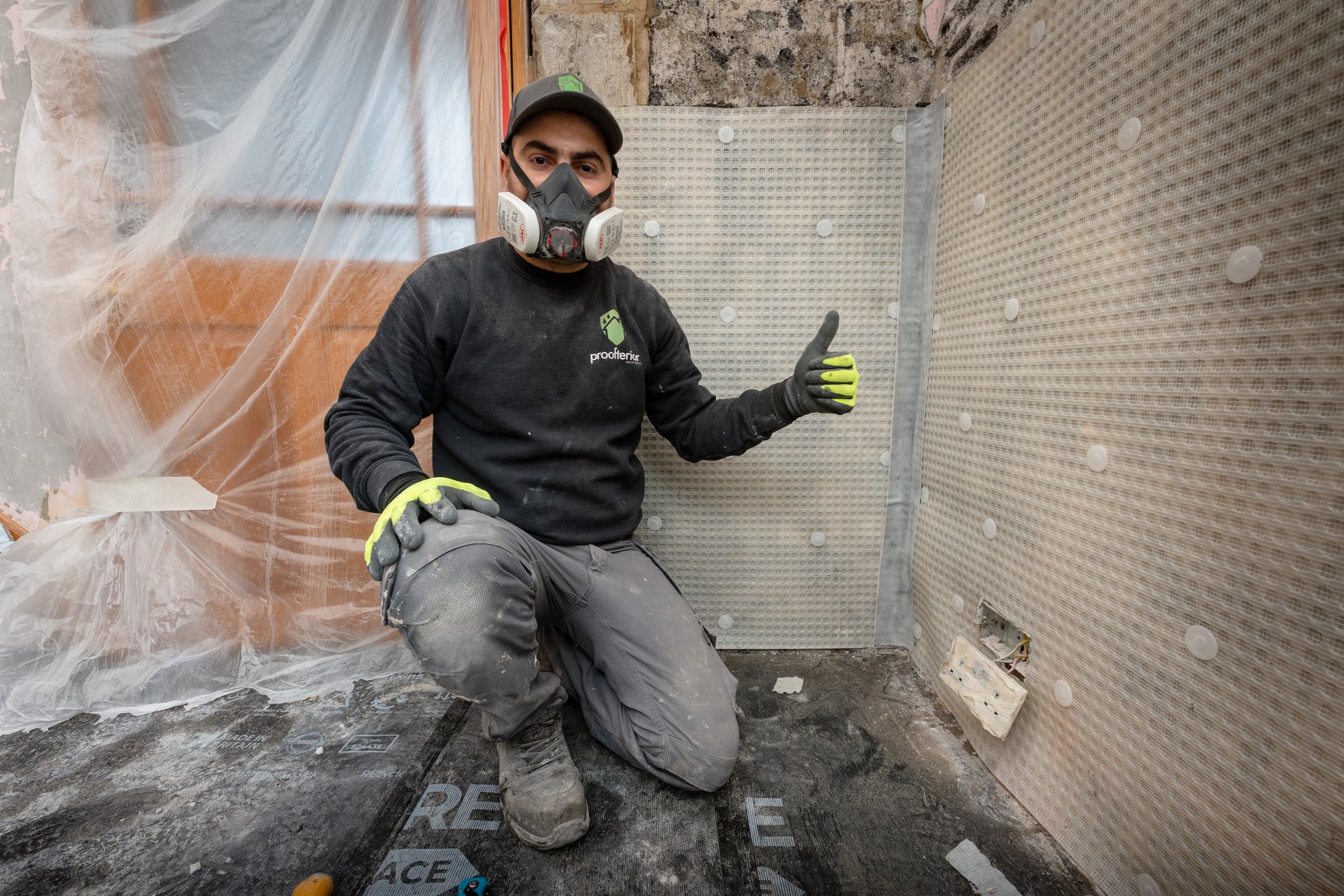
Establish the moisture source first, because remediation without that is temporary. Then contain the area, remove growth with HEPA extraction rather than dry disturbance, treat the substrate with a biocide rather than just the surface, and cut out porous materials that cannot be decontaminated — plasterboard, insulation, sealant, carpet backing.
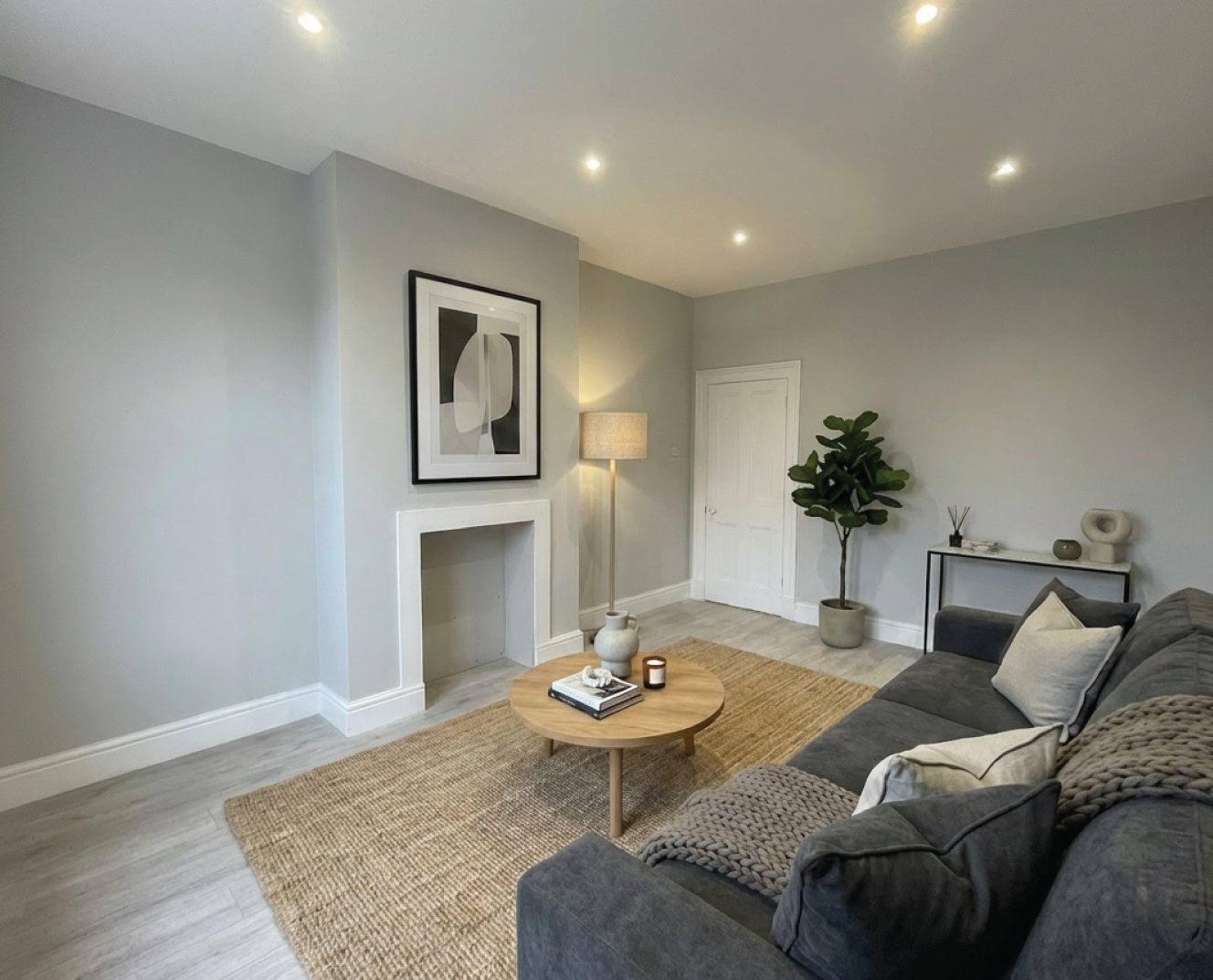
Finally, change the conditions. Ventilation, insulation or damp works so the surface no longer falls below dew point. Without that last step the growth returns within a season.
If you rent
Report it in writing and keep a copy. Under Awaab’s Law, social landlords face defined timescales for investigating and acting on damp and mould hazards, and the presence of a vulnerable occupant raises the priority.
An independent survey is often what breaks a stalemate, because it separates the fabric contribution from the occupancy contribution on evidence rather than opinion.