
Awaab's Law: investigate, report and remedy inside the clock
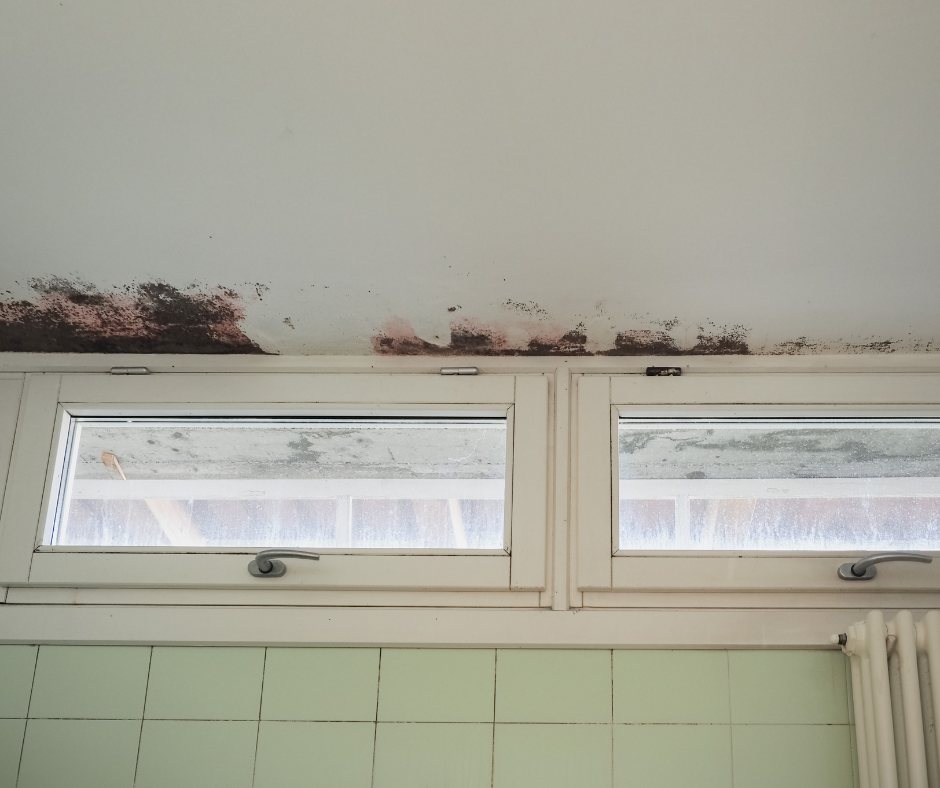
Damp and mould reports now carry statutory timescales for investigation and repair. We provide the rapid inspection, evidence-grade reporting and in-house remedial capacity that makes meeting them realistic.
- Prioritised attendance for reported cases
- Disclosable reports with readings and photographs
- Cause separated from occupancy factors
- Remediation delivered by our own teams
Covering Dorset · Hampshire · Wiltshire
Report a case
1/3Takes under a minute. A qualified surveyor attends — never a salesperson.
No obligation, no sales visit. Your details are used only to arrange the survey.
Why the law changed
Awaab Ishak died in 2020 as a result of prolonged exposure to mould in a social home in Rochdale. The mould had been reported. The response was slow, the cause was attributed to how the family lived, and the remedy did not arrive.
The legislation that followed converts what was previously a matter of good practice into implied terms of the tenancy: once a landlord is aware of a reported damp or mould hazard, investigation, written findings and the start of remedial works all have to happen within defined periods.
In practice the burden falls on two things a housing team rarely controls in-house — how quickly a competent inspection can be arranged, and how quickly a contractor can start. That is the gap we exist to close.
Four obligations, in sequence
Investigate
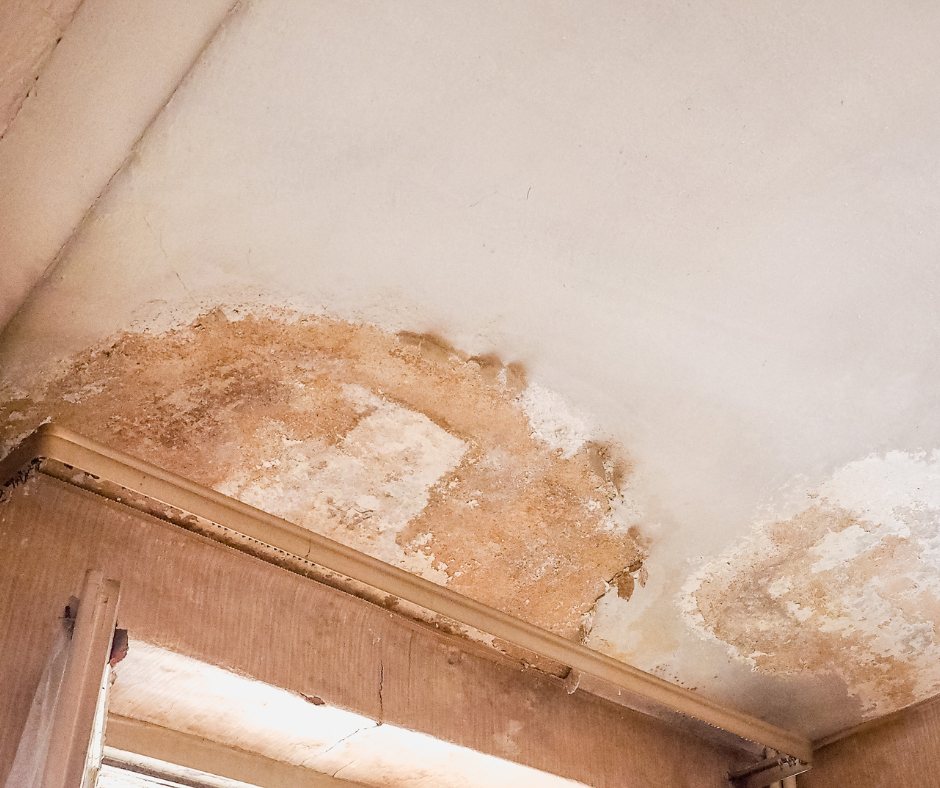
On becoming aware of a reported hazard, the landlord must investigate to establish whether it presents a significant risk — and must do so promptly rather than at the next convenient inspection round.
Report the findings
A written summary of the investigation must be provided to the resident, setting out what was found, whether a hazard exists and what will be done about it.
Begin the remedy
Where a hazard is identified, works to address it must begin within the prescribed period and be completed within a reasonable timeframe.
Rehouse where necessary
If the hazard cannot be made safe within the required period and the property cannot safely be occupied, suitable alternative accommodation must be offered.
This page is a plain-English overview for property professionals and is not legal advice. Refer to the current regulations and statutory guidance for the timescales applying to your organisation.
Six ways we shorten the response
Rapid triage and attendance
Reported cases are prioritised for attendance so investigation can begin inside the statutory window rather than the week after it closes.
Evidence-grade inspection reports
Readings, hygrometric data, photographs, thermal observations and a stated cause — written so they stand up in a complaint, an Ombudsman determination or a disrepair claim.
Cause split from symptom
Every report separates building-fabric defects from occupancy and ventilation factors, so remedial spend goes where it changes the outcome instead of repainting the same wall.
Remedy delivered in-house
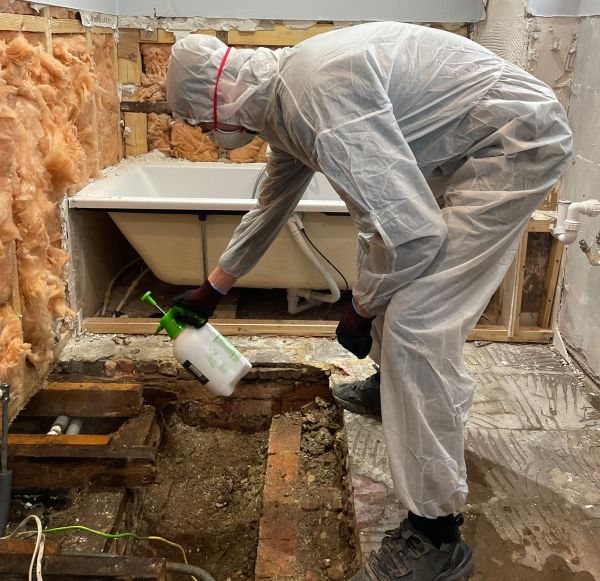
Damp proofing, mould remediation, ventilation improvement, insulation and making good are all carried out by our own teams, which keeps the remedy inside the timescale too.
Written confirmation to the resident
Plain-English findings suitable for issuing to the household, alongside the technical report retained by the landlord.
Portfolio-level reporting
Where several properties are affected, findings are aggregated so recurring construction types and defects can be dealt with as a programme rather than case by case.
What housing teams ask us
It applies to social housing landlords in England, introduced through the Social Housing (Regulation) Act 2023 as implied terms in tenancy agreements. Private landlords are subject to separate but overlapping obligations under housing health and safety and fitness-for-habitation legislation.
Timescales for investigation, reporting and starting works are set out in the implementing regulations and are being phased in by hazard type. Because the phasing has changed during implementation, landlords should work to the current published regulations and statutory guidance rather than an older summary — we build our response around whichever timescale applies to your case.
Yes. Reported damp and mould cases for landlord clients are triaged ahead of general enquiries precisely because the clock starts on the day the report is received.
Yes. Our inspection reports are written to be disclosed — to residents, to the Housing Ombudsman, to insurers or in proceedings — with readings and photographs rather than conclusions alone.
Yes. The obligation attaches to the hazard, not to whose behaviour contributed to it. That is why our reports specify ventilation, heating and fabric measures rather than simply attributing the problem to lifestyle.
Get an inspection booked before the clock runs down
Call us with the address and the reported symptom and we will confirm an attendance slot.
Dorset · Hampshire · Wiltshire