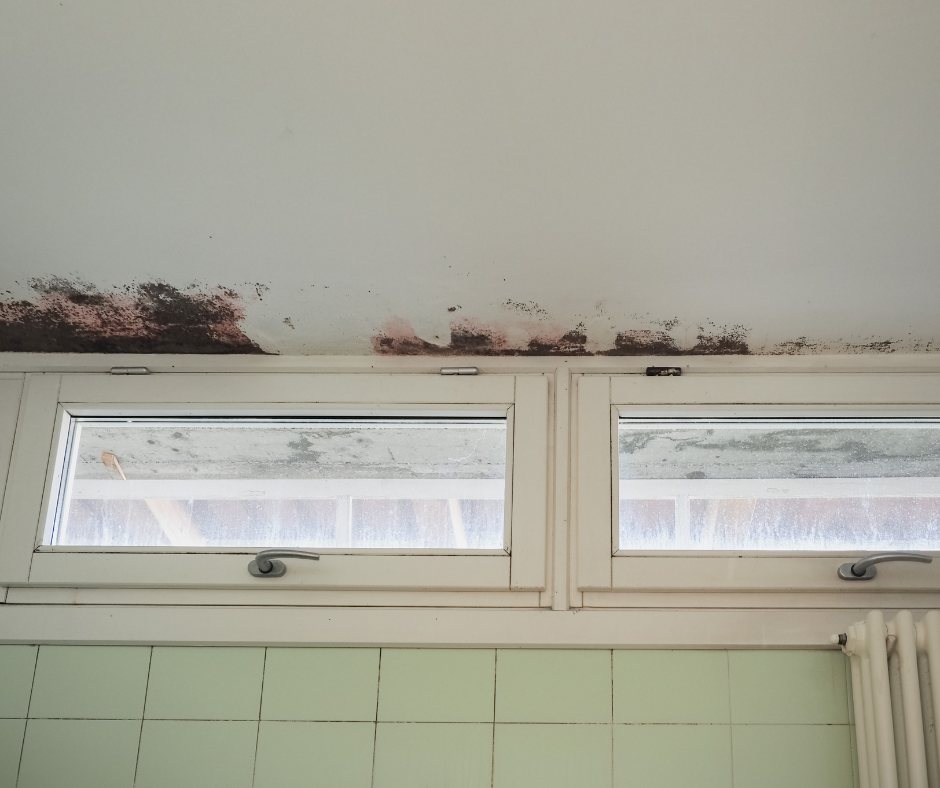
Look at where it is, not how bad it is
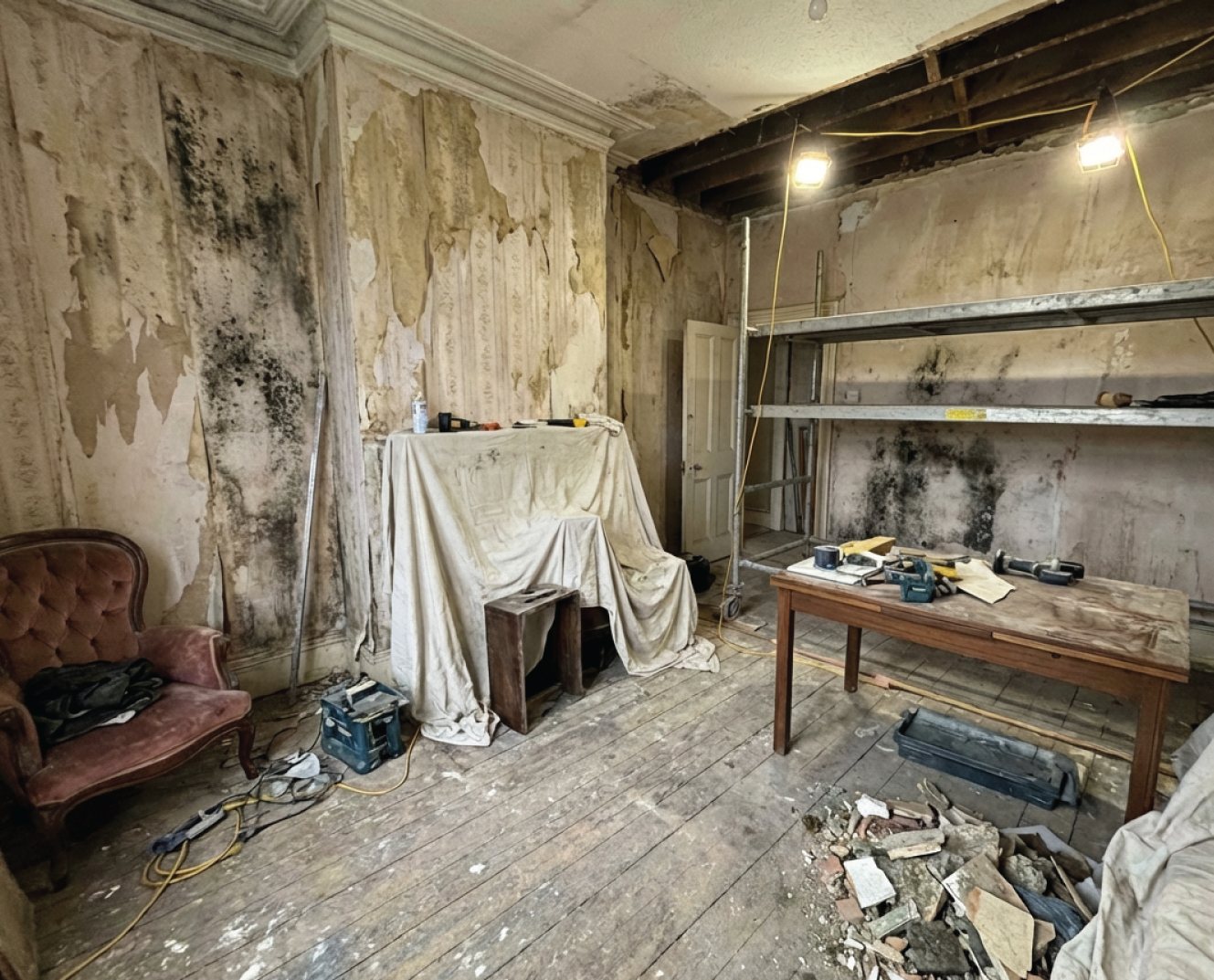
Condensation forms on the coldest surfaces in a room. That means external corners, window reveals, the wall behind a wardrobe, ceiling junctions, and any spot where the structure bridges to the outside. Rising damp is at the bottom of the wall. Penetrating damp is a patch, often high, associated with an external defect.
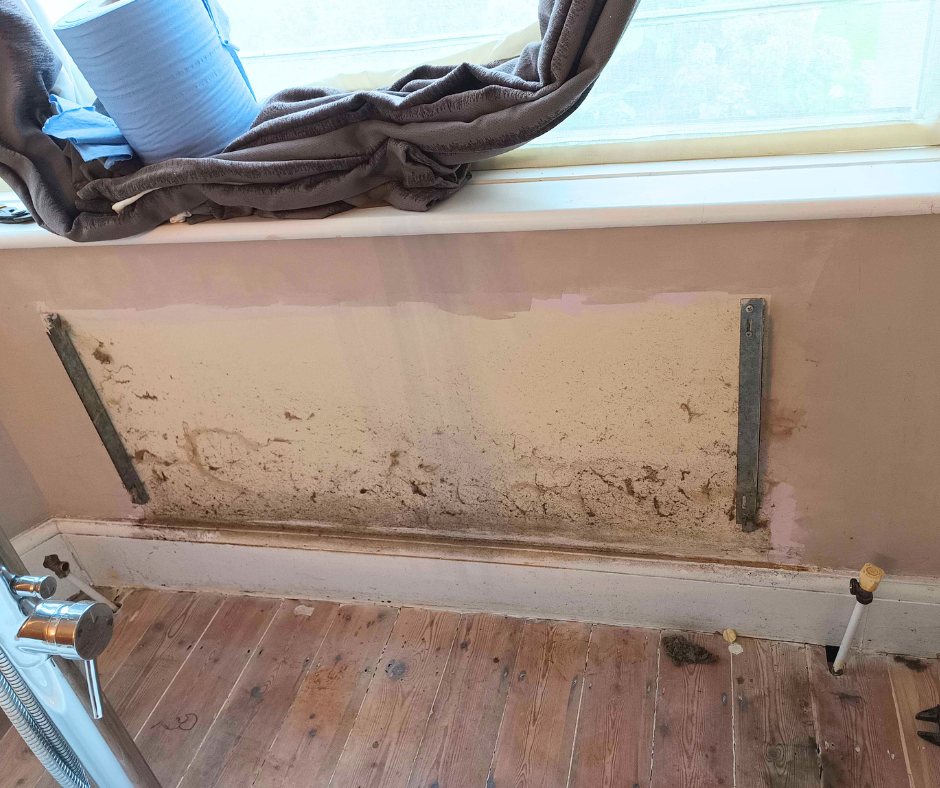
- Bottom metre of the wall, with a tide mark: consider rising damp
- Isolated patch that appears after rain: consider penetrating damp
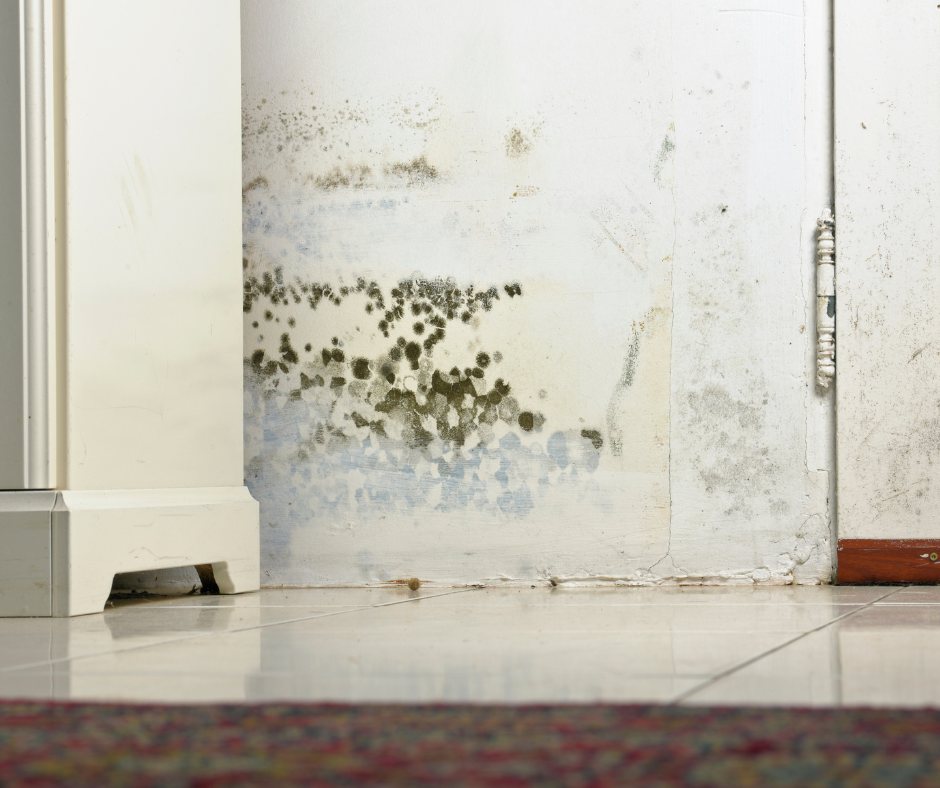
- Corners, reveals and behind furniture: almost certainly condensation
- Ceilings and top of chimney breasts: look upward at the roofline
Look at when it appears
Condensation is seasonal and behavioural. It is worse in winter, worse overnight, worse in unheated bedrooms and better when a window is open. Penetrating damp tracks the weather — dark within hours of driving rain and slowly fading afterwards. Rising damp is comparatively steady, worse in winter but present year-round.
Look for salts and for mould
This is the most useful single distinction. Rising damp brings ground salts with it, so you see white crystalline bloom, efflorescence and repeated paint failure. Condensation brings no salts — what you get instead is black spot mould growing on the surface, because the surface itself is wet and the paint film or paste is the food source.
Mould without salts, in a corner, in a bedroom: condensation. Salts without mould, in a band, at floor level: rising damp. The two can occur in the same room.
Two things you can check yourself
Buy an inexpensive hygrometer and leave it in the affected room for a week. Sustained relative humidity above about 65 per cent points to a ventilation problem. Below 50 per cent with visible damp points elsewhere.
Then tape a piece of kitchen foil over the damp patch for 48 hours. Moisture on the room-facing side suggests condensation forming out of the air. Moisture on the wall-facing side suggests water coming through the structure.
What each one needs
Condensation is fixed by ventilation and warmer surfaces — measured extract performance, continuous mechanical extract or positive input ventilation, and targeted insulation of the cold spots. Damp proofing will not touch it.
Rising damp needs the salt band removed, a new damp-proof course and a retardant replaster. Penetrating damp needs the external defect repaired before anything internal is touched. All three benefit from someone taking readings before quoting.