
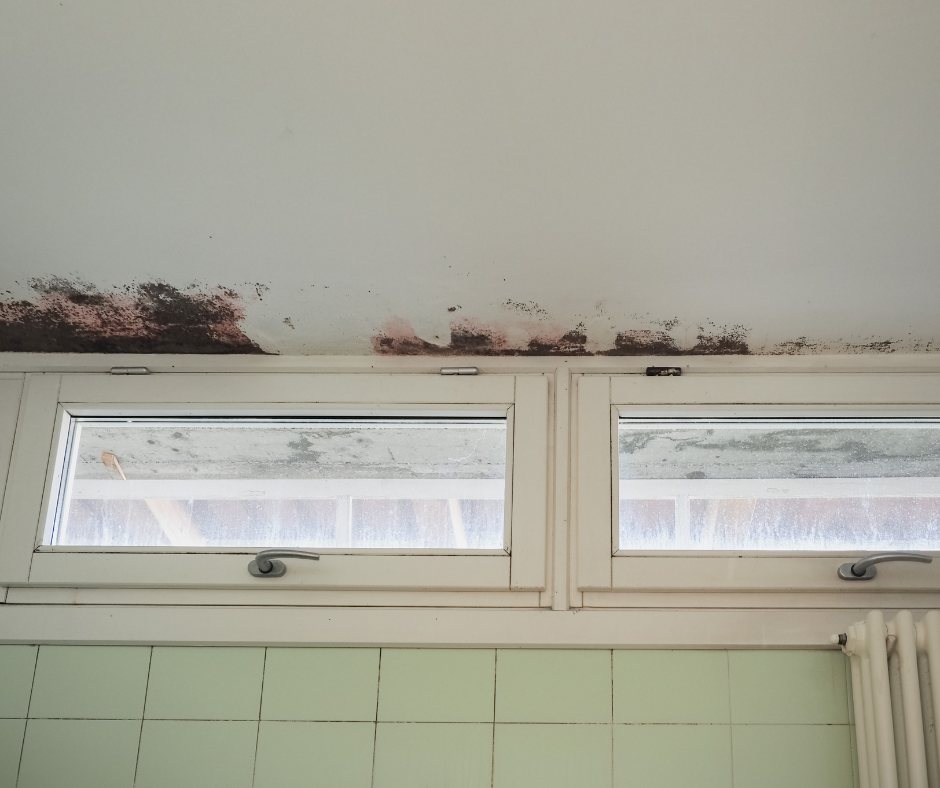
Condensation Control and Ventilation Improvement
Warm, moist air meeting a cold surface — the most common damp in modern homes.
Covering Dorset · Hampshire · Wiltshire
Book a survey for this issue
1/3Takes under a minute. A qualified surveyor attends — never a salesperson.
No obligation, no sales visit. Your details are used only to arrange the survey.
Condensation causes more damp complaints than every other mechanism combined. A family of four puts several litres of water vapour into the air every day; if the property cannot move that air out, it lands on the coldest surfaces — window reveals, external corners, behind wardrobes, inside unheated bedrooms.
It is also the mechanism most often blamed unfairly on the occupier. We measure instead: relative humidity, surface temperature, dew point and actual extract performance. Then we correct the building, and give you a straight answer about which part is fabric and which part is use.
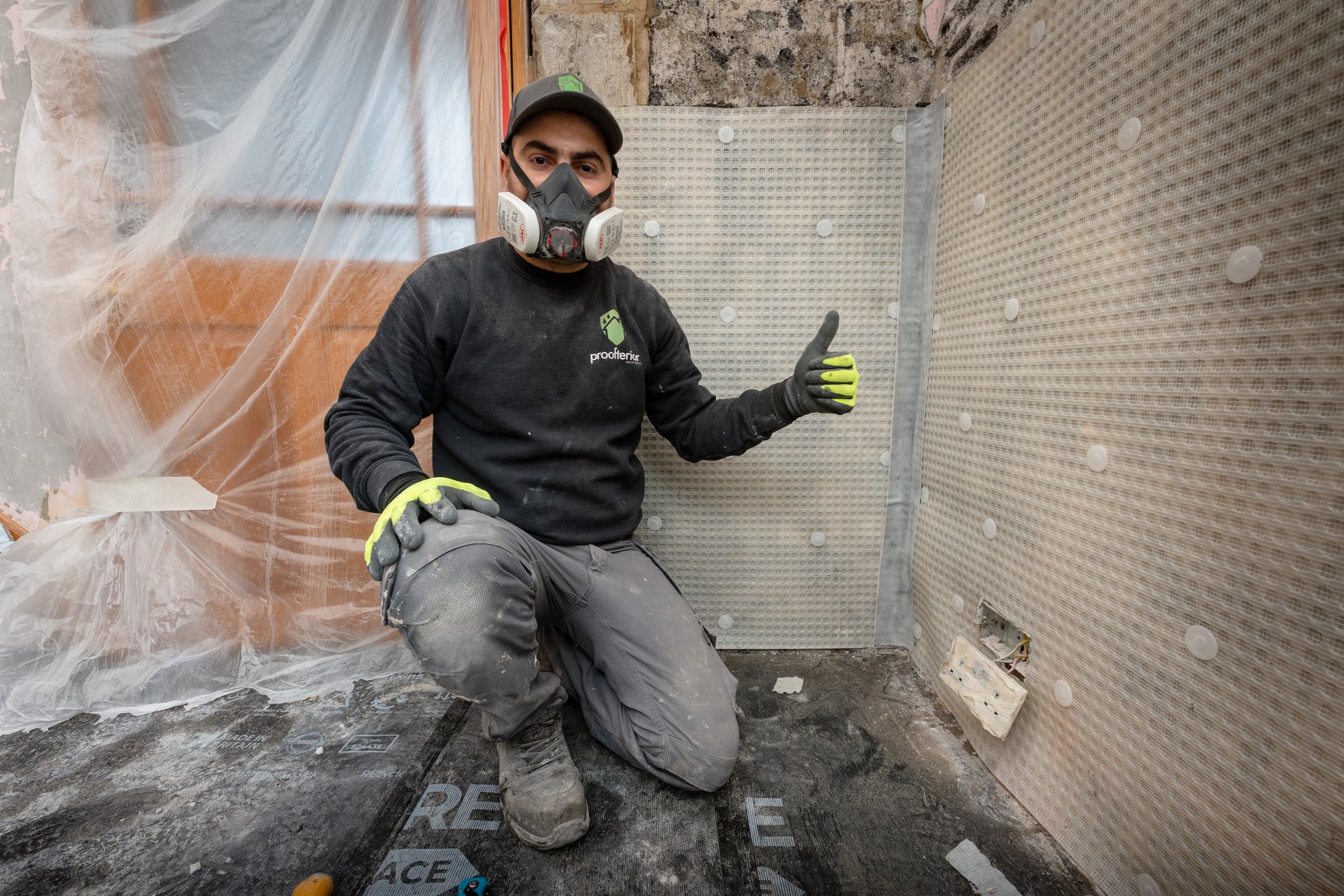
From first reading to registered guarantee
The same five stages on every job, whether it is one wall or a whole property.
- 01
Measure the environment
Relative humidity, air and surface temperature, dew point and extract airflow tested with a vane anemometer.
- 02
Find the cold surfaces
Thermal bridges at lintels, reveals, wall–floor junctions and uninsulated party structures identified.
- 03
Specify ventilation
From upgraded intermittent extract to continuous mechanical extract or positive input ventilation, sized to the property.
- 04
Correct the fabric
Insulated boarding, thermal render or reveal insulation where surfaces cannot be brought above dew point otherwise.
- 05
Treat and monitor
Existing mould removed, and data loggers left in place where a dispute needs evidence.
Everything this specification can cover
Your quotation lists only what your property needs. Anything not required is simply not on it.
- Humidity and dew-point assessment
- Extract fan performance testing and upgrade
- Continuous mechanical extract ventilation (dMEV)
- Positive input ventilation to hallway or landing
- Thermal boarding and cold-bridge insulation
- Anti-condensation coatings and mould treatment
Condensation Control — answered
Rarely entirely. Occupancy adds moisture, but a property that cannot ventilate or that has significant cold bridging will condense regardless of how it is used. Our report distinguishes the two honestly, which matters if a landlord and tenant disagree.
In a house with a loft and a reasonably open hallway, yes — it dilutes moist air continuously rather than removing it in bursts. In flats without a loft void we use decentralised continuous extract instead.
Insulating without ventilating often makes condensation worse by making the building tighter. The two have to be specified together.
Get a written diagnosis before anyone quotes for condensation control
A qualified surveyor attends, tests properly and writes it down. No obligation, no sales visit, no charge.
Dorset · Hampshire · Wiltshire