
Dry Rot — Containment, Treatment and Repair
The only timber fungus that can spread through masonry to find new wood.
Covering Dorset · Hampshire · Wiltshire
Book a survey for this issue
1/3Takes under a minute. A qualified surveyor attends — never a salesperson.
No obligation, no sales visit. Your details are used only to arrange the survey.
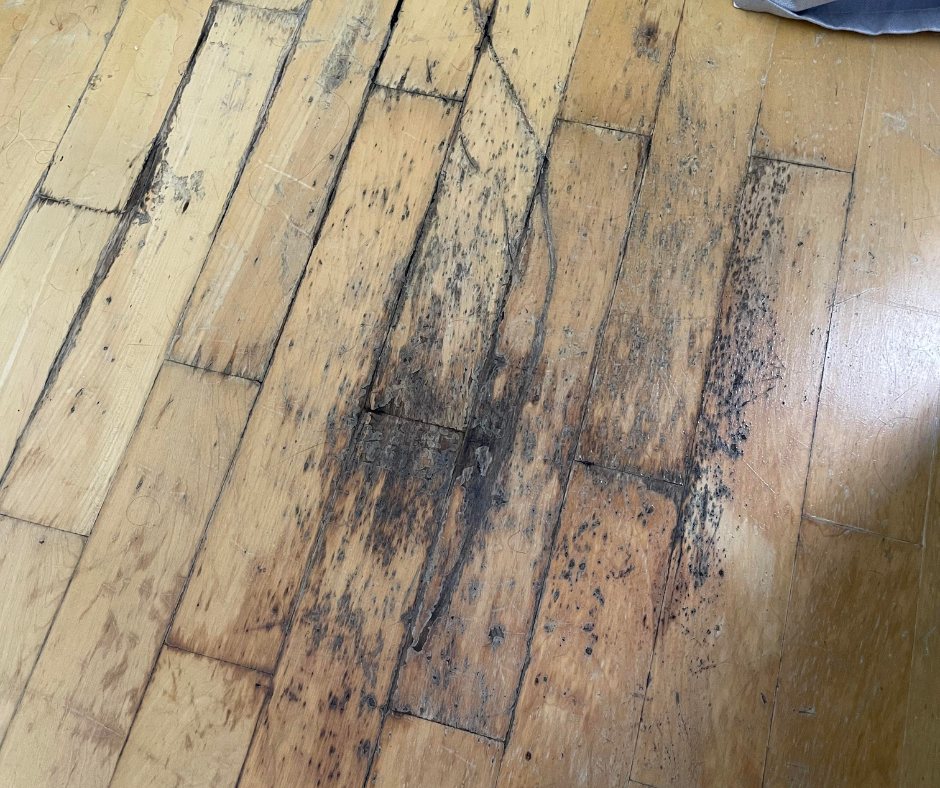
Serpula lacrymans starts where timber has been wet for a sustained period, then does something no other rot does: it grows strands through mortar joints and behind plaster to reach dry timber elsewhere, carrying its own water supply with it. A small patch of decay at a cellar head can mean colonised joists two rooms away.
That is why our specification always begins with tracing extent. Cutting out what you can see and treating the visible face is the most common reason dry rot returns.
From first reading to registered guarantee
The same five stages on every job, whether it is one wall or a whole property.
- 01
Trace the full extent
Plaster and finishes opened up along the spread path — the outbreak is almost never where the smell is strongest.
- 02
Eliminate the water
The original leak, ingress or rising damp is corrected first. Without water the fungus cannot survive.
- 03
Remove infected material
Timber cut back well beyond the decay front and removed from site; masonry strands mechanically cleaned.
- 04
Isolate and treat
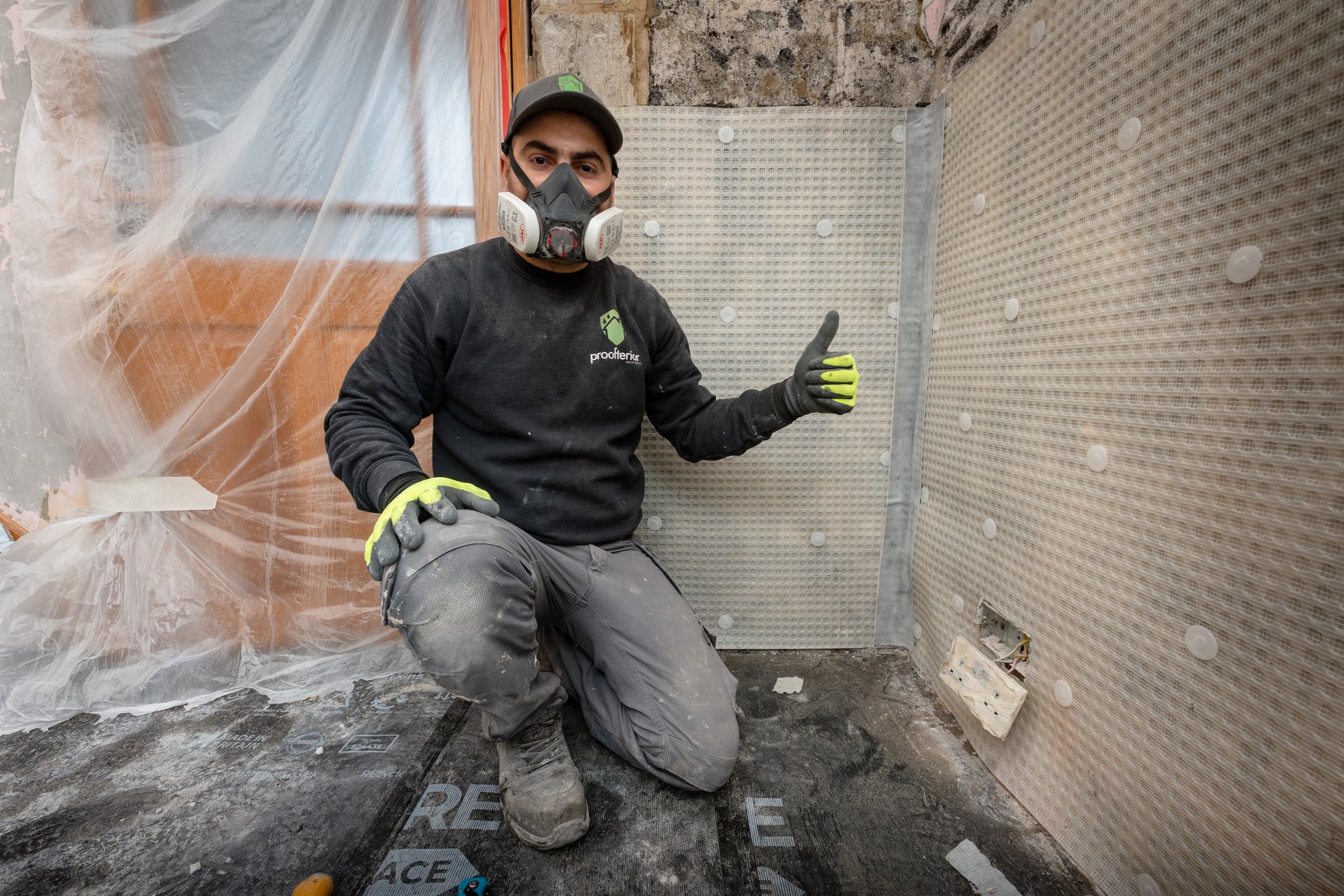
Fungicidal treatment where required plus physical isolation of new timber from masonry with DPC membrane.
- 05
Rebuild the structure
New treated timber, resin or steel repairs, and reinstatement of finishes with a 25-year guarantee.
Everything this specification can cover
Your quotation lists only what your property needs. Anything not required is simply not on it.
- Full extent tracing and opening up
- Moisture source elimination
- Infected timber removal and disposal
- Masonry sterilisation and strand removal
- Structural timber, resin and steel repairs
- Physical DPC isolation of new timber
Dry Rot Treatment — answered
Untreated, yes. Its ability to spread through inert material means it can compromise structural timber some distance from the original wet area. Caught early and dried out, it is entirely manageable.
Only if water returns. Where our works include removal of the moisture source, recurrence is very rare and covered by the guarantee.
Some, yes — enough to see where the strands have travelled. We keep opening up as tight as the evidence allows and reinstate everything we remove.
Get a written diagnosis before anyone quotes for dry rot treatment
A qualified surveyor attends, tests properly and writes it down. No obligation, no sales visit, no charge.
Dorset · Hampshire · Wiltshire