
Wet Rot — Localised Decay and Timber Replacement
Confined to where the water is, and far more common than dry rot.
Covering Dorset · Hampshire · Wiltshire
Book a survey for this issue
1/3Takes under a minute. A qualified surveyor attends — never a salesperson.
No obligation, no sales visit. Your details are used only to arrange the survey.
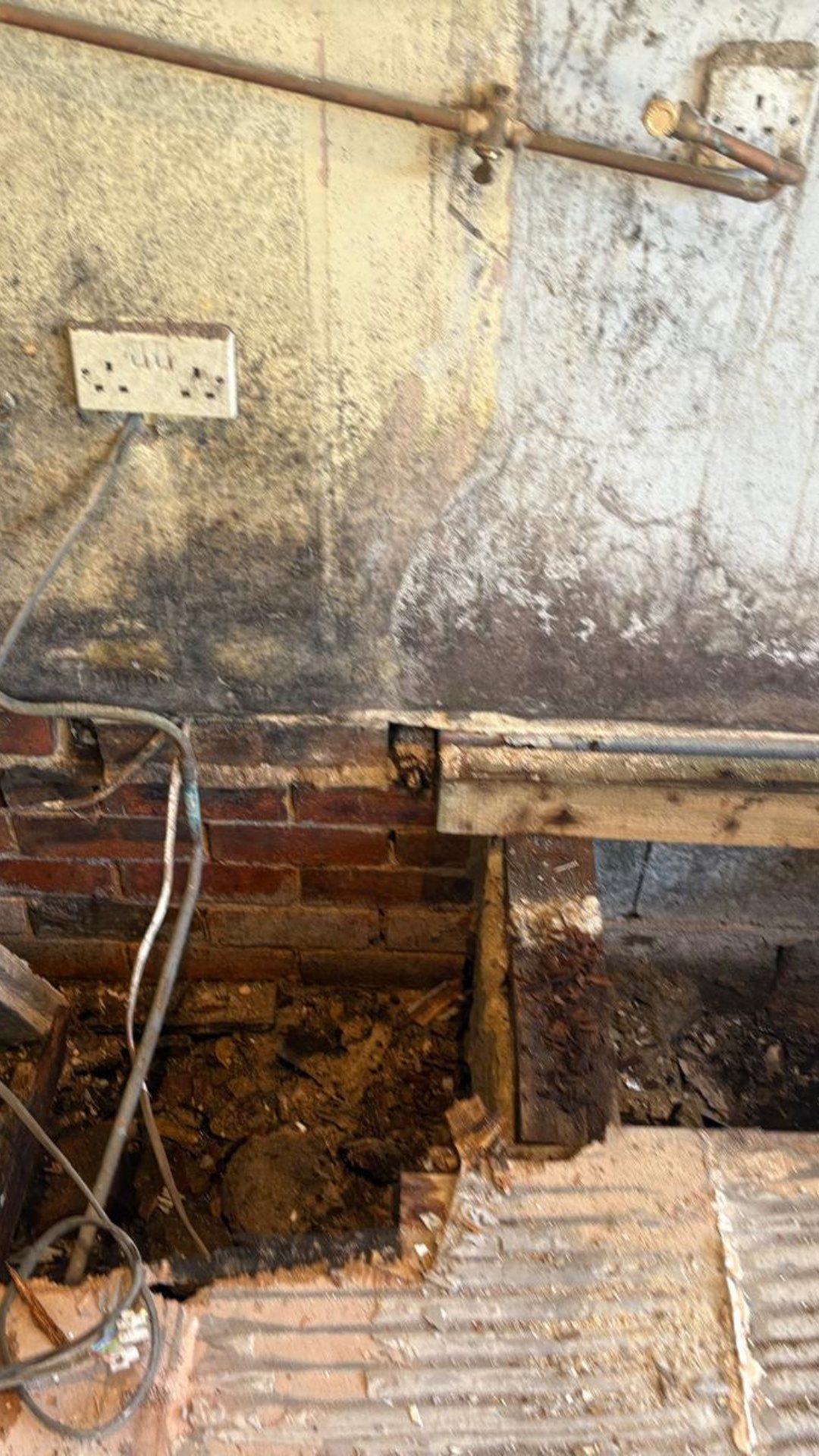
Wet rot is the usual finding when timber has been sitting against something wet: a joist end bedded in a damp wall, a window sill under a failed seal, a door frame at the base, a bearer on a wet oversite. It stays where the moisture is rather than spreading, which makes it a much more contained problem.
The treatment is straightforward and mostly carpentry — cut out, replace, isolate, and remove the water. The mistake we correct most often is timber that was replaced without the moisture source being dealt with first.
From first reading to registered guarantee
The same five stages on every job, whether it is one wall or a whole property.
- 01
Find the water
Leak, ingress, bridged DPC or failed seal identified as the cause of the wetting.
- 02
Assess extent
Probing to establish how much of the member has lost strength, including hidden bearings.
- 03
Cut out and replace
Decayed sections removed and rebuilt in treated timber, spliced or fully replaced as appropriate.
- 04
Isolate new timber
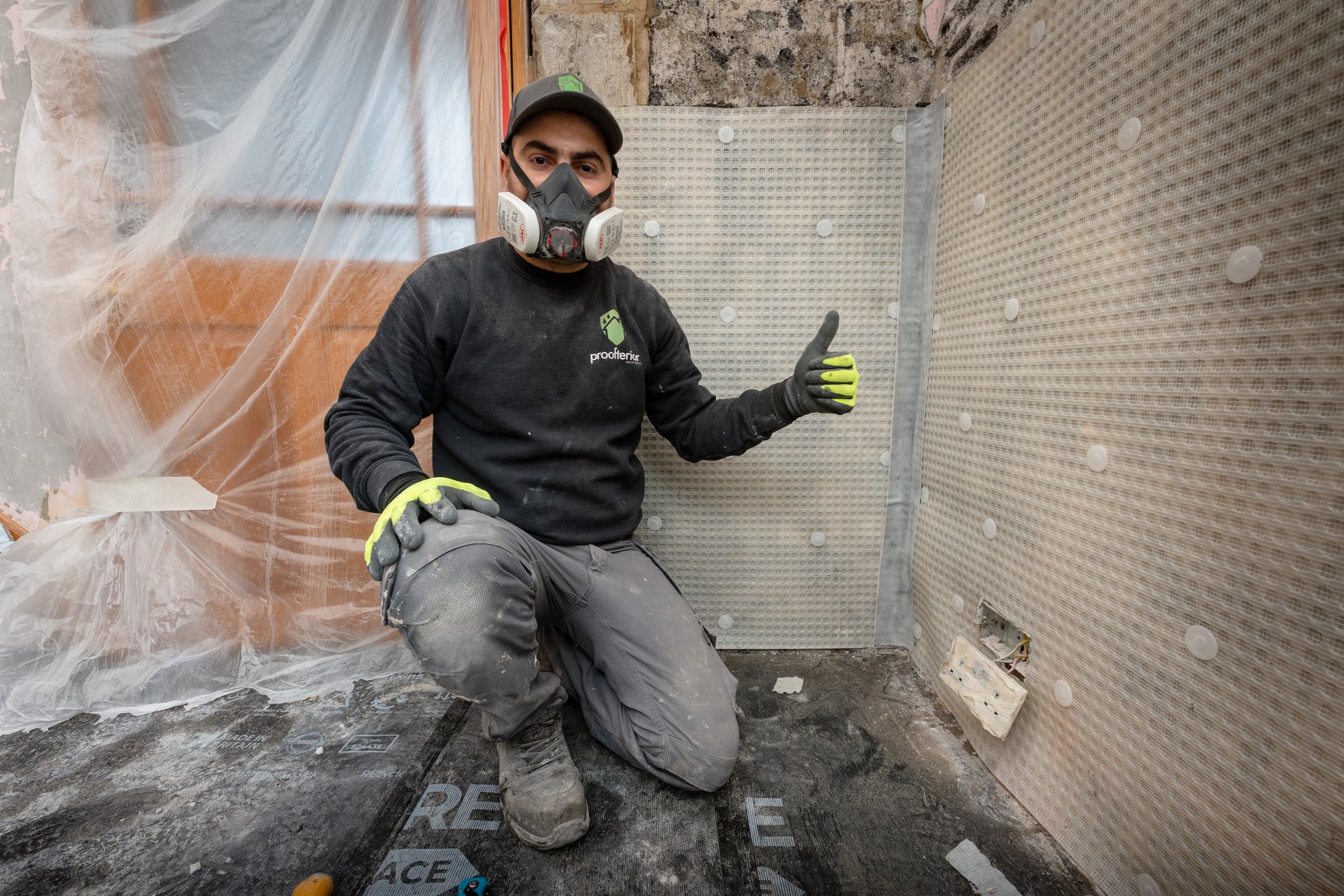
DPC membrane, joist hangers or resin repair systems keep new timber out of contact with damp masonry.
- 05
Correct and dry
The moisture source repaired, ventilation restored, area dried before reinstatement.
Everything this specification can cover
Your quotation lists only what your property needs. Anything not required is simply not on it.
- Timber probing and extent assessment
- Joist end and bearer replacement
- Window and door joinery repair or renewal
- Resin splicing and repair systems
- Fungicidal treatment where specified
- Sub-floor drying and ventilation
Wet Rot Treatment — answered
Wet rot timber is damp, dark and soft. Dry rot timber is brittle, light and cracks into cubes, and it often has visible strands or a mushroom smell. If in doubt, we identify it at survey.
If the loss of section is minor and the timber is not load critical, drying plus a resin repair can be enough. Structural members that have lost strength must be replaced.
No. It stays where the moisture is, which is what makes it less serious than dry rot.
Get a written diagnosis before anyone quotes for wet rot treatment
A qualified surveyor attends, tests properly and writes it down. No obligation, no sales visit, no charge.
Dorset · Hampshire · Wiltshire